


A lifetime devoted to one landscape · every brushstroke, a distillation of years
一生只画一方山水 · 每一笔皆是岁月的凝练
A lifetime devoted to one landscape · every brushstroke, a distillation of years
一生只画一方山水 · 每一笔皆是岁月的凝练
"Plein air is creation itself — not copying what you see. See the landscape, but it is not the landscape. See the mountain, but it is not the mountain. Nature lives in your heart."
"写生就是创作,写生不是描摹对象。看景不是景,看山不是山。自然是在你心中。"
His philosophy is to break free from traditional landscape painting — to paint in ways no one else has dared. Through decades of relentless exploration, he slowly forged a style at once contemporary and compositional — unmistakably his. You see WanNan, and you know it is Xu Gongcai's, with its own visual language and vocabulary of signs.
他的理念就是打破传统——怎么从传统的风景画走出来,有当代性,有构成感。别人从来不敢这样画,而他一直在研究探索,慢慢形成了自己的风格。一看就是徐公才的皖南,有自己独特的语言和符号。
Houses become symbols. Planes overlap and reconstruct — surfaces dissolve into flatness. Then, with just a few colors, a few structural forms, a few lines drawn from Chinese calligraphy, the space re-emerges. These lines are alive — like blood flowing through veins, like notes of music drifting through air.
房子就是符号,画面里都是块面,面与面打乱重组,平面化。几块颜色、几个构成、几根从中国书法提取出来的线——这个线是活的,就像人的血管一样,血液在里面淌,是流动的音符。
Not to please the crowd, not to chase sales. "I paint for myself — an artist's work is for his own eyes first." Art exploration is endless — there is only a starting point, never an end. Every day, he negates himself; every day, he resets to zero. For over fifty years, he has walked into the fields of WanNan with his paint box on his back.
不是迎合社会,不是为了好卖。我的作品是画给自己的,艺术家的作品首先是给自己看的。艺术探索是无止境的,只有起点没有终点。始终要否定自己,每天都要归零心态。五十余年,他每天背着画箱走进皖南的田野。
— His students, on painting alongside Xu Gongcai in Huizhou — 学生们,谈与徐老师同行写生徽州"Each of his paintings is a poem — like gentle notes that touch the soul, forever etched in your heart. His colors are harmonious and soft, his style bold and full of impact. This is the pastoral poetry of Huizhou."
"他每一幅画都是一首诗,就像那沁人心脾的轻轻音符,永远镌刻在你的心里。他的色彩柔和柔美,画风写意震撼,色彩有冲击力。这是徽州的田园诗。"
Each work on this site has been carefully curated — a window into decades of unwavering artistic devotion.
本站所有作品均经精心甄选——每一幅都是数十年艺术执着的窗口。
An artist can only form a truly personal style by working from the inward experience of life itself. "Experience" is an inward movement of being — psychological and physiological at once — the long accumulation of a painter's individual life. To bring that experience out through a corresponding artistic language is what we call expression.
In this process, two things matter most: the purity of experience and the precision of expression. Purity means the inner feeling cannot be diluted, cannot drift off-course. Precision means the artistic language must land exactly where it should. Art that speaks insincerely is, without question, failed art.
Nothing in nature becomes a subject of painting until the painter deliberately chooses it. And when we stand before a scene and feel moved, it is because some inner image, some expressive tension already within us, is being overlaid onto what we see.
The more a painter concentrates his experience, loses himself in it, stays faithful to it, the more naturally and vividly his visual language will emerge. Expression without inner experience — expression that chases fashion — is a false expression, and has no life in it.
艺术家只有从反映内省的生活体验出发,才能形成自己个性化的艺术风格。"体验"是生命的一种内向活动,既是心理层面的,也属于生理层面的——是艺术家个体生命活动长期积淀的结果。把体验到的情感内涵以相应的艺术语汇外化出来,便是表现。
对创作来说,有两个环节最为重要:一是体验的纯粹性,二是表现的精确性。"纯粹性"是说内在情感的体验不能有水分、不能有偏差;"精确性"是说艺术语汇必须精确到位。言不由衷的艺术,毫无疑问是失败的艺术。
大自然造物中的事物,只有经过画家独具匠心的选择,才能成为艺术表现的对象。反过来说,当我们观察景物而有所感受时,正是把脑海中的某种心理图像重叠印证在眼前的景物之中了。
画家越是浓缩自己的体验、陶醉于自己的体验、忠实于自己的体验,其艺术语言的形成和表现就越是自然和生动。缺少内在体验的表现、跟着时尚跑的表现,是一种虚假的表现——没有生命力的。
In the shift from the twentieth to the twenty-first century, art has developed at a pace impossible to keep up with. One thing, however, is certain: Chinese ink painting, oil painting, and every other form will continue to move along the road of modern development, however varied the directions. Expressionist and representational painting alike face the same question — an artist can only form a truly personal style by working from the inward experience of life itself. Whether abstract or representational, the work must be built on relatively pure artistic form and structure. Without that, there is no artistic individuality, and no real exploration.
"Experience" is an inward movement of being — psychological and physiological at once. Its content is the long accumulation of a painter's individual life: the artist feels things in front of everything, and the slow condensing of those feelings forms a particular emotional and spiritual quality.
This experiencing of inner feeling and inner spirit is the first step of creation. It is, at the same time, the way the artist reads and tastes his own emotional state — and that reading is nothing other than the search for artistic language. To bring the inner content of experience out through a corresponding language is expression.
So whether the art is abstract or representational, in terms of its language, it is expression. The difference lies only in this: abstract language uses symbols; representational language uses the forms people already recognize from the world.
In creation, two things matter most. First, the purity of experience — the inner feeling cannot be diluted, cannot drift off-course. Any dilution, any drift, weakens the emotion itself, and therefore weakens what the work can do to a viewer. Second, the precision of expression — the artistic language must land exactly where it should. Expression that falls short is "speaking against one's heart," and art that speaks insincerely is, without question, failed art.
The word "feeling" is also a kind of experience — the simplest language containing something vast. It is deeply tied to the painter's inner perception. Nothing in nature becomes a subject of painting until the painter deliberately chooses it; otherwise it is only a natural object, sitting there. And when we stand before a scene and feel moved, it is because some inner image, some expressive tension already within us, is being overlaid onto what we see. Once a painter's personal language takes shape, it deepens his ability to hold and extend the experience of life — and this is precisely why an artist must keep going back into life itself.
What, then, is the relationship between the objective world and the artist? The British psychologist Edward Bullough wrote that "distance" is a state of mind: too close or too far, and no aesthetic experience can arise. Between subject and object there must be a certain not-near-not-far. And so the great works are not born from copying nature, but from the pursuit of inner scenery — not from pure representation, but from inner experience. A landscape handled this way must be raised to the level of symbol. Symbol, here, means that what the painter expresses goes far beyond the object itself — the object is only a vehicle for carrying something beyond the object.
The American painter Andrew Wyeth wove the things of his memory together with the things he painted. The maple leaves and thin ice in his work carry the quiet shadow of war and death; the transparent windowpanes and glowing seashells suggest the mystery and disquiet of being; the cracked walls and worn clothing speak of the passing of years and of hardship. This is what the objects of the world do inside the painter — and the moment they are expressed, their metaphorical reach unfolds completely.
From this one can see something further: the great works of painting carry no mark of their own time. And no mark of time means an endless time — that is, permanence. Degas catching a single instant of a dancer's movement to express the whole of dancing is a model of this timelessness. The portraits of Velázquez, the interiors of Rubens, Delacroix's battlefields, Cézanne's still lifes — all endure in this way.
This is consistent across both Eastern and Western painting, though the Chinese painter's way of experiencing and expressing differs from the Western painter's. Western artists tend to reach the subject through reason. The Chinese painter reaches it through intuition, lifting it through philosophy, insisting on a metaphysical sense of the eternal. The Japanese painter Higashiyama Kaii's works are full of a stillness that is itself a kind of forever — letting one feel the most essential nature of the natural world.
In contemporary Chinese oil painting, the work of Hong Ling chooses its subjects with a particularly Eastern eye, and reflects the grandeur of Chinese mountains and rivers through the spirit of Chinese culture. His achievement lies here: he matches the brushstroke of oil painting to the brush-and-ink of Chinese painting, and speaks the pure spirit of brush-and-ink in a pure language of oil. His brush marks and the way his objects compose themselves are entirely experiential, carrying a strong expressiveness — an expressiveness of the Eastern spirit.
Wu Guanzhong's language is also Eastern. The Jiangnan water-town culture of China shaped his particular aesthetic sensibility, and through experiencing that sensibility, he found the arrangement of "point, line, plane" and the color vocabulary that answered to it — and all of this together forms his personal visual language.
The great works of Chinese and Western oil painting point together to a single thing: only when oil painting grasps the nature of things through inward experience can it carry the modern meaning and expressive force of metaphor and symbol. Artistic individuality waits on the painter to begin from the enriching and perfecting of his own language, to borrow rightly from tradition and from contemporary painting, and to let the Eastern spirit enter; it waits on the painter's ability to give the symbolic meaning of things his own particular reading, and to find the mode of expression that answers to that reading. Only in this way, in an age that insists on individuality and variety, can one form a style that is truly one's own. And only with a personal language of one's own can a painter carry his experience of life and of art precisely into the picture.
In sum: experience and expression in oil painting are an inseparable living whole. The more a painter concentrates his experience, loses himself in it, and stays faithful to it, the more naturally and vividly his visual language will emerge. Expression without inner experience — expression that chases fashion — is a false expression, and art of that kind has no life in it.
What should be cultivated instead is an ecological way of making art: an ecology of accumulated feeling, an ecology of experience, an ecology of language as it forms and expresses itself. When these ecologies are present, the symbolic meaning of an artwork arises of its own accord. Pure artistic form and structure always come from pure feeling; the power of artistic symbol is always the power of the spirit behind it. To go deep into life, to taste life, to keep enriching the content of one's own living — this is the source, for experience and expression, that never runs dry. And, of course, it is the source that oil painting can never leave behind.
在由二十世纪到二十一世纪的转换中,艺术的发展日新月异。但有一点是可以肯定的:无论中国画、油画还是其他艺术创作,都将沿着向现代形态的方向不断展开。表现主义与再现主义的绘画都面临着同样的问题——艺术家只有从反映内省的生活体验出发,才能形成自己个性化的艺术风格。抽象也好,具象也好,都要以较为纯粹的艺术形式和结构建设为原则,否则就谈不上艺术个性和艺术探索。
"体验"是生命的一种内向活动,既是心理层面的,也属于生理层面的。体验的内容,是艺术家个体生命活动长期积淀的结果——艺术家面对一切事物都会有所感受,这些感受的长期积累和浓缩,形成了一个艺术家特定的情感特质和精神特质。
对内在情感与精神的体验,是艺术创作的第一步。体验,同时也是艺术家对自己情感状态的一种品读——而这品读的过程,正是寻找艺术语汇的过程。把体验到的情感内涵以相应的艺术语汇外化出来,便是表现。
所以,不管是抽象艺术还是具象艺术,从艺术语汇来说都是表现。两者的区别只在于:抽象的语汇是符号式的,具象的语汇则是人们熟悉的物象形体。
对于艺术创作来说,有两个环节最为重要:一是体验的纯粹性,二是表现的精确性。"纯粹性"是说内在情感的体验不能有水分、不能有偏差——任何水分和偏差都会影响情感的纯度,进而影响作品的感受力度。"精确性"则是说艺术语汇必须精确到位,达不到就是"言不由衷"。言不由衷的艺术,毫无疑问是失败的艺术。
"感觉"一词,也是一种体验——是以最简洁的语言所包含的宏大。它与创作主体的内在感悟息息相关。大自然造物中的事物,只有经过画家独具匠心的选择,才能成为艺术表现的对象;否则,它只不过是一件存在的自然物而已。反过来说,当我们观察景物而有所感受时,正是把脑海中的某种心理图像、某种表现张力重叠印证在眼前的景物之中了。作者的个性化语言一旦形成,也会反过来加深对生活体验的把握——这正是艺术创作不断要深入生活、体验生活的原因。
那么,客观生活与艺术家的关系是怎样的呢?英国心理学家布洛认为,"距离"是一种心理状态,若太近或太远都无法引起审美经验。主客体之间要保持不即不离的距离,绘画才能达到审美效果。因此,成功的作品不是出自摹仿自然,而是来自对意境的追寻;不是出自对客观对象的纯粹再现,而是取自内心的体验——这样的景物,必然要上升到"象征性"的高度来认识。所谓象征性,是指画家所要表达的内容远远超出了客观对象本身,画家只是借客观对象来表达对象以外的东西。
美国画家怀斯常常将记忆中的事物与所表现的事物揉合起来:作品中的枫叶、薄冰,隐喻着战争与死亡的暧昧意味;透明的玻璃窗、发亮的贝壳,显示出对存在的神秘与迷茫;裂痕的老墙、残旧的衣衫,似岁月的流逝与艰难。这是客观物象在画家心里发生作用的结果——一旦被表现出来,其隐喻的审美效果便得到了充分的展现。
由此可以进而看到:绘画杰作往往没有时间性烙印——所谓无时间性,也就意味着永无止境的时间性,即永恒性。印象派画家德加抓住舞女动作的一瞬间来表现舞蹈的整个过程,正是这种"无时间性"的典型。委拉斯贵支的人物肖像、鲁本斯的室内描绘、德拉克罗瓦的战场、塞尚的静物,都是这样不朽的。
这一点在东西方绘画的历史中是统一的。当然,中国画家的体验方式和表现方法与西方画家有所区别——西方美术家往往靠理智来把握对象,而中国画家则主要透过直觉、以哲理来升华对象,强调一种形而上的永恒效果。日本画家东山魁夷的作品充满了"宁静即永恒"的静态,让人领略到自然界最本质的感觉。
在当今中国油画界,洪凌的作品以东方人特有的审美视角选择对象,以中国文化精神反映了山水的博大与雄浑。他的成功在于——以油画的笔触对应中国画的笔墨,以纯粹的油画语汇表述纯粹的笔墨精神。他绘画中特有的笔触形态和物象构成关系,完全是体验式的,具有强烈的表现性——一种东方精神的表现性。
吴冠中的油画语言也是东方的。江南水乡文化孕育了他独特的审美心理结构,从对这种心理结构的体验中,他找到了与之对应的"点、线、面"构成方式和色彩表达方式——所有这些独特性,决定并形成了他的个性化语言。
中国油画和西方油画的许多经典作品,共同表明了一个观点:油画创作只有以内省的生活体验来把握客观事物的本质,才能具有隐喻与象征的现代意义和表现力量。艺术的个性表现,有待于画家从丰富和完善自我语言出发,对油画传统和当代绘画采取正确的借鉴,并融入东方精神;有待于画家能对事物的象征意义作出独具特色的解释与感悟,并摸索出反映这种感悟的表达方式。只有这样,才能在强调个性与多样化的今天,形成自己的风格。有了独具特色的个性化语言,才有可能将对生活、对艺术的体验,准确地表现于画面。
总之,油画创作中的体验与表现,是一个相互关联的有机整体。画家越是浓缩自己的体验、陶醉于自己的体验、忠实于自己的体验,其艺术语言的形成和表现就越是自然和生动。缺少内在体验的表现、跟着时尚跑的表现,是一种虚假的表现,这样的艺术是没有生命力的。
因此应当提倡一种"生态"的艺术创作过程:情感内涵积累的生态性,情感体验与精神体验的生态性,艺术语汇形成与表现的生态性。有了这些"生态性",艺术形式的象征意义才会自然生成。纯粹的艺术形式和结构建设,永远来自纯粹的情感体验;艺术象征的力度,永远是精神能量的力度。深入生活、品味生活、不断丰富和深化生命的内涵,是艺术体验与表现永远不会枯竭的源泉——当然也是油画创作永远离不开的源泉。
— Xu Gongcai, 2015 — 徐公才,2015 年
淡淡的调色油对深褐色的冲击,扩散出一片苍茫;调色刀下刮出的底色,呈现斑驳白墙;笔触挤压,色彩颤动,营造天空的吟唱——一抹金黄夹带着暖绿,拖出一道亮光……
The gentle impact of diluted linseed oil against deep brown, spreading into a vast expanse of wilderness. The palette knife scrapes away to reveal the ground layer, presenting mottled white walls. Brushstrokes press and squeeze, colors tremble, conjuring the sky's song — a streak of golden yellow carrying warm green, trailing a ribbon of light...
山林农舍、小桥流水,似是而非的形态;远近交错,色线纵横,虚实有无的空间;提按拖扫,冲抹柔润,酣畅淋漓的笔触;冷暖对比,厚薄之汇,幻化多彩的调……
Mountain forests and farmhouses, small bridges over flowing water — forms that hover between likeness and abstraction. Near and far interweave, colored lines crisscross, spaces that exist between the real and the void. Pressing, dragging, sweeping — blending, softening, smoothing — brushstrokes that flow with uninhibited abandon. Contrasts of cool and warm, convergences of thick and thin, transforming into a kaleidoscope of tones...
不必问画的是什么,不要问画得像什么,画布上色彩的变化、笔触与刮刀运行的肌理已经美不胜收。也不要试图寻找具象的造型,不要拘泥边界的腾跃与混沌,画面的所有元素,都是在表述一种情感,诉说一种美感,营造一种意境。
Don't ask what is being painted. Don't ask what it looks like. The shifts of color on the canvas, the textures carved by brush and palette knife — these alone are beauty beyond measure. Don't try to find representational forms. Don't cling to the leaping and chaos of boundaries. Every element on the canvas is expressing an emotion, speaking of a kind of beauty, creating a state of mind.
这就是徐公才的油画。
This is the oil painting of Xu Gongcai.
当今画坛,画面淋林,画风纷扰,但概括起来,仍不过是写实、写意、抽象三种。写实绘画,取自然之像,追寻自然本身的神韵;写意绘画,取心之意,挖掘心灵深处不可名状的律动。徐公才的油画,充分展现了写意绘画的形式特征。
In today's art world, paintings abound and styles proliferate, yet when distilled down, there remain only three approaches: realism, freehand expressionism, and abstraction. Realist painting takes its image from nature, pursuing nature's own spirit and essence. Freehand painting takes the intent of the heart, excavating the inexpressible rhythms buried deep within the soul. Xu Gongcai's oil paintings fully embody the formal characteristics of freehand expressionist painting.
所谓"意",乃是一种动态的心境。"意",如云气、如流水、如音韵。"写意",就是表现这种动态,表现这种动态中的情绪与情感。打开这本画集,从动态的绘画形式中,你就可以体会到涌流在画家胸中的激情。
The concept of "yi" — intent — is a dynamic state of mind. "Yi" is like drifting clouds, like flowing water, like musical resonance. "Xieyi" — freehand expressionism — means capturing this dynamism, expressing the moods and emotions within this movement. Open this book of paintings, and through the dynamic forms of his art, you will feel the passion surging within the painter's heart.
"写意"区别于"写实",在于"写意"者,可以将实体物象随情感的节律在画布上变动组合;色彩色调可以按情感的需要或奇张或减弱;构图布局,更可以依情感的心理结构安排调整。
What distinguishes "freehand" from "realist" is this: the freehand artist may rearrange and recombine physical forms on the canvas according to the rhythms of emotion. Colors and tones may be heightened or subdued as feeling demands. Composition and layout may be adjusted and restructured according to the psychological architecture of emotion.
不管"写实""写意"还是"抽象",它们首先要能够带给人们美的享受。谁不愿让艺术的清风,徐徐吹散心头阴云;谁不愿在艺术的驿站,卸下自己肩头的重负。改善人的心情,调节人的身心,应该是艺术的首要功用。
Whether realist, freehand, or abstract — art must first bring people the pleasure of beauty. Who would not wish for art's gentle breeze to slowly disperse the clouds over their heart? Who would not wish to set down the heavy burdens from their shoulders at art's resting station? To improve one's mood, to restore balance to body and spirit — this should be art's primary purpose.
愿这些作品如缕缕清风,为每一位来访者带来心灵的愉悦与审美的享受。
May these works be like a gentle breeze, bringing every visitor joy of the spirit and the pleasure of beauty.
——徐公才油画写生作品印象
— Impressions of Xu Gongcai's Oil Paintings from Life
从词典意义上看,村庄与村落没有什么区别;而在实际应用中,皖北只说村庄而皖南却常说村落。首先是地理形貌的不同:皖北是一望无际的平原,村庄便有了开阔了一目了然的意思;皖南是烟岚萦绕的山区,村落便有了幽深的峰峦掩映的意思。其次还能引申出民俗文化的不同:皖北的爽直造就了村庄的朴实性格,皖南的委婉造就了村落的含蓄气质。徐公才的油画近年来格外关注皖南村落,应当与这份委婉和含蓄有特别适应当地历史积淀和含蓄中的人文情怀有关。
From the perspective of dictionary meaning, there is little difference between a village and a settlement; yet in actual usage, people in northern Anhui tend to say village, while in southern Anhui they often say settlement. First, there is a difference in geographical character: northern Anhui is a vast, open plain, so the word village conveys openness and immediate visibility at a glance; southern Anhui, by contrast, is a mountainous region veiled in mist and haze, and so the word settlement suggests seclusion, depth, and mountain folds enfolding what lies within. The forthrightness of northern Anhui gives rise to the plain and honest character of the village, while the subtlety and reserve of southern Anhui give rise to the restrained temperament of the settlement. In recent years Xu Gongcai's oil paintings have paid particular attention to the villages of southern Anhui, and this surely has something to do with this quality of tenderness and reserve.
我很早就接触过公才的画作,但是没有特别在意,我真正留意他的创作是在他真正留意皖南村落之后。我还记得,我第一次看到公才描绘的这些村落时,立即想起1874年,想起一群法国年轻画家在巴黎卡普辛大街举办的那次展览,想起勒鲁瓦面对莫奈的《日出·印象》所产生的印象:"那么自由自在,多么轻易的手艺,糊墙纸也比这漂亮完整些。"作为艺术保守主义者的勒鲁瓦,怎么也想不到,他的嘲讽话语竟然转换成为美术革新的旗帜。印象派以及自由自在的画风从此登上历史舞台,深刻影响了世界美术的发展,以致100多年以后,我们在一个中国年轻画家的作品中仍然看到这种影响的存在。
I came into contact with Gongcai's paintings quite early on, but did not initially pay them special attention. It was only after he began to focus in earnest on the villages of southern Anhui that I truly began to notice his work. I still remember that when I first saw these painted villages of his, I was immediately reminded of the year 1874, and of that exhibition held by a group of young French painters on the Boulevard des Capucines in Paris. I thought of Louis Leroy's reaction when he stood before Monet's Impression, Sunrise. As a conservative defender of academic art, Leroy could never have imagined that his mocking words would later be transformed into the banner of artistic revolution. Impressionism, together with its free and unrestrained painterly manner, thus stepped onto the stage of history and profoundly influenced the development of world art.
把印象派风格归于"自由自在"没有错,因为他们不追随任何主流思潮,也不遵从任何既定创作信条。相对于安格尔代表的古典主义,他们放弃了秩序井然的严谨构思;相对于德拉克洛瓦代表的浪漫主义,他们放弃了激情奔放的粗犷笔触;相对于库尔贝代表的写实主义,他们放弃了清晰可辨的造型要素。但"自由自在"决不等同于"轻易的手艺",而是受到理念和原则的坚强支撑。印象派认为题材和情节内容无关紧要,绘画目的就是逼真记录生活场景,创作主题就是精确记录光色感觅和色调层次,所以热衷于追寻转瞬即逝的真切视觉感受,捕捉光线变化中的丰富色彩关系。反映在作品上,色彩仅仅与瞬间光线效果有关,往往是扑朔迷离的,多变而破碎的;而物象的形体和轮廓不再无法勾洗,总是模糊地隐现于光色的震荡之中,或者说完成在色彩斑斓的背景之中。我们面对公才的村落系列,可以看出他对印象派的画风多有吸收,然而在另外一些方面,他又非常执拗,显示出毫不迟疑的探索精神和追求姿态,声情并茂地述说着自我自信的独特绘画语言。
There is nothing wrong in describing the Impressionist style as "free and easy," for the Impressionists followed no dominant trend and obeyed no fixed creative doctrine. Compared with the classicism represented by Ingres, they abandoned strict order and rigorous composition; compared with the Romanticism represented by Delacroix, they abandoned passionate and forceful brushwork; compared with the realism represented by Courbet, they abandoned clearly defined modeling. Yet "free and easy" is by no means equivalent to "effortless craftsmanship"; rather, it is supported by powerful concepts and principles. Looking at Xu Gongcai's village series, one can clearly see how much he has absorbed from the Impressionist manner. Yet in other respects he is also remarkably stubborn and determined, revealing an unhesitating spirit of exploration and speaking with vivid emotional force in a distinctive pictorial language full of self-confidence.
莫奈终于成为印象派的领袖画家,与他年青时受到风景画家布丹的影响有关。布丹坚信"当场画下来的东西会有一种在画室里无法具有的活力和鲜艳上的生动性",因而鼓励18岁的莫奈到户外作画。在画室里作画还是去户外写生,到了印象派这里绝非是简单的作画环境问题,而是严肃的创作方法问题。他们把画室里作画秩序归于间接经验,归于知识成见,无法表现瞬间的现场的真实;只有直接面对瞬息万变的自然世界,才能迅速抓住货真价实的真实。方法的差别导致了画貌的迥异,在海岸河滨乃至大街上直面世界万象,色彩节奏于是明亮起来,画面于是鲜活起来。我不知道公才走向户外是否自觉,但是知道他的作品都是对景写生而成,而且确切地知道,他的村落系列具备了生动而鲜活的品质。
It is no accident that Monet became the leading figure of Impressionism; this was closely related to the influence he received in youth from the landscape painter Boudin. Boudin firmly believed that "things painted on the spot possess a vividness and freshness impossible to achieve in the studio." For the Impressionists, the question of whether to paint indoors or to work en plein air was a serious matter of artistic method. Only by directly confronting the ever-changing natural world could one swiftly seize the reality of things. I do not know whether Xu Gongcai's turn toward outdoor painting was entirely self-conscious, but I do know that his works are painted directly from nature, and I know with certainty that his village series possesses precisely this vivid and living quality.
毫无疑问,充分发挥色彩的魅力,在微妙的细腻的色彩变化中表现物象,或者说表达画家对于物象的感受,这是印象派画法的精髓,也是公才描画皖南村落的最为精彩之处。公才笔下的那些村落,其实就是一些黑白相间的色块和色点;其他的物象比如一棵树一座山、一片大地一线云天,也完全是色彩笔触的涂抹和覆盖。物象与物象之间关系的交代,已经不再使用清澈的光滑的轮廓线,而是依托不同色彩的并置和对比;而画面空间关系的交代,也不再使用透视法的准则和明暗的处理,而是依托色调层次的转换和映衬。
There is no doubt that the full deployment of colour's expressive charm—the use of subtle and delicate colour variations to render objects, or rather to convey the painter's response to them—is the essence of Impressionist technique. It is also the most brilliant aspect of Xu Gongcai's depictions of the villages of southern Anhui. The villages in his paintings are in fact only clusters of black-and-white colour blocks and dots. The relationships between objects are no longer defined by clear contour lines, but by the juxtaposition and contrast of different colours; and the spatial relations in the picture are likewise no longer established through linear perspective, but through the transformation and interreflection of tonal layers.
基于印象派的背景来阐释公才画作,一方面,有利于正确分析他的技法师承流变,另一方面,有利于正确理解他的创作技法与创作思想之间的联系。印象派不关心绘画的题材和情节内容,把绘画目的归结为不构感地记录生活场景。公才的视角感受与心理感受是完全统一的,他以皖南村落为表现对象至他的色彩运用,无不混合着情感的浓度。
To explain Xu Gongcai's paintings through the background of Impressionism is helpful in two respects: it allows a more accurate analysis of the sources and evolution of his techniques, and it helps us correctly understand the connection between his method and his artistic thought. In Xu Gongcai's work, visual perception and psychological response are fully unified. In taking southern Anhui villages as his subject, his use of colour is always suffused with emotional density.
清代康熙年间,侨寓扬州的徽州盐商程庭回老家省亲,面对群山之间的皖南村落,惊诧不已。从建筑形制上看,皖南村落独鳌壁瓦,屋宇错落,街贯巷连,万家烟火,堪称魏魏大片的奇观。公才运用了四两拨千斤的方法,他描绘的皖南村落不过是影影绰绰身依稀朦胧的印象,又把这印象融化在并置震荡、流动飘散的绚丽色彩中,然后,听凭你们去无穷无尽的遐想吧!
During the Kangxi reign of the Qing dynasty, the Huizhou salt merchant Cheng Ting returned home and marveled at the villages of southern Anhui. From the perspective of architectural form, these villages constitute a truly magnificent spectacle. Xu Gongcai has adopted the method of "lifting a thousand pounds with four ounces": the villages he paints are no more than shadowy, dimly discerned impressions, and he then dissolves these impressions into gorgeous colour—juxtaposed, vibrating, flowing, and dispersing—and after that, he leaves the viewer free to wander in endless imagination.
20多年前的一个初冬,上世纪80年代初合肥当时的气候特别的冷。我们都刚刚二十出头,为了安徽乃至全国首次前卫艺术展览,大家犹如偷吃禁果般地被其兴奋、神秘地从各地聚拢在一起。争论探讨,轮番去各个参展者的画室观摩挑选作品。记得那是第一次看公才的作品,也是第一次认识公才。
More than twenty years ago, in an early winter at the beginning of the 1980s, the weather in Hefei was especially cold. We were all just in our early twenties. For what was to be the first avant-garde art exhibition in Anhui, we were drawn together from different places, excited and mysteriously stirred. I remember that it was the first time I saw Gongcai's work, and also the first time I met him.
这以后我们隔个一年半载相聚一下,但很少在交流"艺术",更多的只是白酒与猪乡芍兰之间的交流和切磋了。后来我去德国,一晃就是十多年。而公才却一直默默无语,留着长发,蓄着他的小胡子。在艺术和生活的园地里来回地奔走着。出于他对艺术特别的钟爱包括他对自然的留恋,二十多年来他几乎走遍皖南的所有角落,画了无数张油画作品,参加了无数次各种规模的展览。作为一个艺术院校的老师,他十分热爱艺术教育事业,在教书育人的同时十分留心他脚下适合自己的艺术道路。
After that, we would get together every year or so, though we rarely talked much about "art." Later I went to Germany, and in a flash more than ten years passed. Yet Gongcai remained as always, quiet and taciturn. He kept moving back and forth through the fields of art and life. Out of his particular devotion to art, and also his attachment to nature, over the past twenty-odd years he has wandered through almost every corner of southern Anhui, painted countless oil works, and participated in exhibitions of every scale.
和北京,上海这样的大都市相比较,合肥在地理和文化位置上如同一个大集镇。它没有什么机遇,亦缺少一流的展览和一流的画廊,更缺少一流的收藏家和艺术收藏机构。但正是这样一种被忽委弃和一种被抛弃的感觉,造就了像公才这样一批苦苦劳作,孜孜探索的画家。这儿因为没有什么名利的诱惑,使他(们)更真实地贴近自然,几乎在一种无望中把自己整个人身心投入皖南山野的怀抱。
Compared with major cities such as Beijing and Shanghai, Hefei, in terms of geography and culture, is like a large market town. It offers few opportunities, lacks first-rate exhibitions and galleries, and is even more lacking in first-rate collectors and art institutions. Yet it is precisely this sense of neglect and abandonment that has produced painters like Gongcai—artists who labor bitterly and explore tirelessly. Because there is little temptation of fame or profit here, he is able to draw closer to nature in a more genuine way.
艺术是什么?艺术有时什么也不是。它可能就是一种逃逸,去逃逸城市的压力;去逃逸家庭的不快和人事的纠葛。艺术也或是一种追求。公才近期的油画作品在很大程度上逃离了长期以来周遭环境加给他同时代人的许多不必要的约束和绳绑,也远离古学院派危险刻板的程式化的审美趣味。公才用流畅的极富音乐特质的油画书写了一部皖南风情的印象"田园畅想诗"。
What is art? Sometimes art is nothing at all. It may simply be a kind of escape—an escape from the pressures of the city, from the unhappiness of family life and the entanglements of human affairs. Gongcai's recent oil paintings have broken away from the unnecessary constraints that the surrounding environment has long imposed on him and on others of his generation. With fluid, highly musical brushwork, Gongcai has written an impressionistic "pastoral rhapsody" of southern Anhui.
我在公才画室中看到一批这样的作品,如同一群在梦中相互追逐的精灵。它们的叹息声,道出山水间的隐秘和内涵。这是他在自然中的一个新的发现。"清新,美好,精致"。
In Gongcai's studio, I saw a group of such works, like a cluster of spirits chasing one another through a dream. Their sighs speak out the hidden meanings and inward depths of mountains and waters. This is one of his new discoveries in nature. "Fresh, beautiful, exquisite."
我再次意识到合肥隔离"大都市"的可爱和重要。这儿做艺术的特别因由甚至"愚顽"。这个城市相对安静,是从事某种研究工作的好地方。它使我们消除了许多不必要的负担和幻想,冷静安娴地做自己喜欢的事。"委弃与孤独"是人类十分恐惧的,但凡高如果没被人类世界"委弃",没有那份在今天看来十分珍贵的痛苦与孤独作为上帝最好的礼物……今天他的名字再也不会写进美术史,教科书中。
Once again, I became aware of how lovable and important it is for Hefei to remain apart from the "metropolis." This city is relatively quiet, a good place for engaging in certain kinds of research and work. It helps rid us of many unnecessary burdens and illusions, and allows us to do what we truly like in a calm and composed way. "Being abandoned and being lonely" are things humanity greatly fears. But if Van Gogh had not been "abandoned" by the human world, if he had not received that pain and solitude as the finest gift from God... then today his name might never have been written into art history.
——读油画家徐公才新作随想
— Reflections on the New Works of Oil Painter Gongcai Xu
"无法而法,乃为至法"对于成熟的艺术家来说,这是至理名言。这想法,是在公才画室看他最近从皖南写生回来创作的一批油画新作而萌生的。"无法"不是说没有"法",而是说,它看起来是不受"法"的约束,可以游离于"法"之外,但它却在更高的准则上,抓住了"法"的真谛。是说,艺术家,已经突破了形式的约束,在艺术语言的运用上,技巧的掌握上,都已到了山神入化、随心所欲的境地。
"For the mature artist, the highest method is to appear as if there were no method." This old artistic principle came to mind when I visited Gongcai Xu's studio and viewed a recent group of oil paintings he created after sketching in southern Anhui. "No method" does not mean the absence of method. Rather, it means seeming to transcend formal constraints, moving freely beyond fixed rules while still grasping the true essence of artistic law at a higher level. It suggests that the artist has already broken through the limitations of form and reached a state of mastery in artistic language and technique, where everything flows with effortless freedom.
这批新作,沿袭与突显了他已形成的绘画风格。色彩高度概括,现实的色彩被简化了。强化黑白构成,但又不像印象派那么强烈,常常以过渡的灰色作基调。山头、线、面作符号,既脱俗又物象特征,不完全具象。让人在宁静、柔和的心境中获得审美享受。
These recent works continue and intensify the painter's already formed artistic style. Color is highly generalized; the colors of reality are simplified. The black-and-white structure is strengthened, though not with the aggressive force of Impressionism. Instead, transitional greys often serve as the dominant tone. Mountains, lines, and planes become signs—both detached and still suggestive of the object.
他的画,既现代,又传统。既有现代派的色、线、形的味,又有新世纪的当代思维观念。而骨子里却隐含着中国传统的艺术精神。运用了中国传统的线画技法;注重画面的整体效果,表现的是一种主观感受的"情中之景"。追求情景交融的意境。
His painting is at once modern and traditional. It carries the flavor of modernism in its colors, lines, and forms, yet beneath it lies a spirit deeply rooted in the Chinese artistic tradition. He employs the linear methods of traditional Chinese painting and emphasizes the overall pictorial effect, expressing a "scene infused with emotion," a world where feeling and scenery merge into one.
如果说,以表现为主的抒情、写意、诗境,是中国文人画的传统,那么,做为新徽派、新意象的代表,当代实力派画家徐公才的作品,却是以西方印象派和后印象主义为艺术语言,结合中国画的传统,来表现中华民族的传统艺术精神,表现当代东方艺术的向往与神韵。如何来概括油画家徐公才的绘画特点呢?抒情写意,以诗为魂;主客交融,自然人性;扎根本土,继承创新。
If lyricism, freehand spirit, and poetic mood are the tradition of Chinese literati painting, then the works of Gongcai Xu, as a representative of a "new Anhui school" and "new imagery," take Western Impressionism and Post-Impressionism as artistic language while integrating the traditions of Chinese painting. His work displays the artistic ideals of the Chinese people today. His essential qualities can be summarized in three aspects: lyrical and freehand, with poetry as their soul; fusion of subject and object, revealing natural humanity; rooted in the local soil, yet carrying forward tradition through innovation.
我觉得实力派画家徐公才的作品,洋溢着一股浓郁的诗情。欣赏公才的油画作品,沉浸在他所创造的意象世界里,总是让人情感起伏,时有发现。有时,你会怡然自得,似有所悟;有时,又让人神情荡漾,浮想联翩……
I feel that the works of this powerful painter are suffused with rich poetic feeling. To appreciate Gongcai Xu's oils is to enter the imagistic world he has created, where the emotions rise and fall, and one constantly discovers something new. At times one feels serene and quietly enlightened; at others one is stirred into reverie and imagination.
公才笔下的皖南山水,有着自己独特的个性。这是一片有着独特意蕴的审美天地。他汲取先民们依山傍水的环境选择是如此的宁静、优美,而人与自然的相处,又是如此和谐相融。于是,他在他的意象世界里,营造了一片自然人性的天地。
The landscapes of southern Anhui in Xu's brush possess a character all their own. They form a distinctive aesthetic world rich in implication. He draws from the wisdom of earlier people, who chose to build by mountains and water, creating an environment both peaceful and beautiful, where human beings lived in harmony with nature. Thus, in his imagined world, he creates a realm of natural humanity.
公才的画——他所创造的意象世界,发掘了蕴含中华文明的皖南山水固有的人文情怀,所以,它才更加宜人,更加丰厚,更加得到世人的喜爱与欢迎。
The paintings of Gongcai Xu—the imagistic world he has created—have uncovered the innate humanistic sentiment embedded in the landscapes of southern Anhui, landscapes that are deeply infused with the spirit of Chinese civilization. And it is for this reason that his art becomes more intimate, more profound, and more beloved and welcomed by the world.
Every painting is an original, painted en plein air — one of a kind, irreplaceable.
每一件作品,皆为户外写生真迹。独一无二,不可复制。

Ink Snow Village墨雪山村

Old Walls in White白墙旧影

Autumn Path to the Village秋径村头

Village Across Green Fields碧野人家

Spring Blossoms in the Field花田春色

Emerald Rhapsody翠韵

Reed Pond Village芦塘人家

Golden Autumn Trees金秋树影

Autumn Sunlight Village秋阳村色

Spring Colors Abound春色满村

Old Tree Before the Village古树村前

Sea of Blossoms花海远村

White Walls Through the Trees林间白墙

Persimmon Tree in Cloud Mountains柿红云岫

Riverside Village in Color水畔彩村

Golden Leaves, Twin Trees金叶双树

White Lotus Blooming白莲初放

Purple Haze Hillside紫霞花坡

Rooftops After Snow雪霁白墙

Golden Reeds by Autumn Water秋水芦黄

Red Trees on Autumn Hills秋山红树

Village in Soft Mist雾中村落

Branches and Village Lanes枝影村巷

Orange Sky, White Walls橙天白墙

Colorful Trees by Blue Water碧水彩林

Ancient Tree in Autumn古木秋叶

Winter Lotus Pond Village冬塘人家

Golden Canopy满目金黄

White Walls on Autumn Ridge秋岭白墙

Blue Mountain Village蓝山村居

Summer Lotus Pond夏塘荷韵

Autumn Fire Behind the House屋后秋焰

Amber Dusk Village琥珀暮村

Old Trees on the Hill坡上古木

Ginkgo Leaves in Breeze银杏清风

Creek Through the Village溪穿村落

Golden Trees and Blue Mountains金树蓝山

Autumn Diptych by the River秋水联屏

Kaleidoscope Village斑斓村色

Gnarled Tree in Late Autumn深秋虬枝

Plum Blossoms by the House梅映白墙

Mountain Village at Dusk暮色山居

Red Leaves Dancing红叶翩翩

Storm Over the Village风雨村庄

Old Bridge by the Creek溪桥旧影

Dark Mountain, Distant Houses黑山远屋

Golden Tree by White Walls金树白墙

Ancient Canal at Twilight古渠暮色

Mountain Village in Golden Light金光山居

Fields Before the Mountain山前田野

Night Falls on the Village夜幕村庄

Golden Dusk Fields暮野金色

Green Village in Spring春绿村头

Village Through Rain雨幕人家

Laundry Day by the River河畔晒衣

Mountain Village in Cloud云中山居

Distant Village in Haze远村薄雾

Spring Field Village春田人家

Rapeseed Blossoms Village菜花金黄

Rapeseed Fields at Dawn金色田野

Autumn Reflections by the Lake湖畔秋映

Spring Morning Village春晨村色

Ancient Town Rooftops古镇俯瞰

Blue Harbor蓝色港湾

Autumn Village by the River秋水村畔

Pink Spring by the Water粉春水畔

Distant White Houses远处白屋

Golden Trees at Sunset夕照金树

Village by Turquoise Water碧水村边

Green Trees by the Stream溪畔绿树

Sunset Over Pink Fields霞映粉野

Spring Sprouts in Color春芽彩韵

Golden Fields, White Houses金田白屋

Tree by the Creek溪边独树

Autumn Gold by the Village秋金村畔

Spring Village in Soft Light柔光春村

Green Meadow Village绿野人家

Bare Trees at Winter Dusk冬暮枯枝

Golden Shimmer Village金光闪耀

Autumn Village by the Pond塘边秋村

Blue River, Bright Village碧水明村

Harbor with Fishing Boats渔港帆影

Orange Rooftops at Dusk橙瓦暮色

Blossom Village Panorama花村全景

Riverbank Village in Autumn秋日水岸

Rapeseed Fields, White Walls菜花白墙

Old Street in Ink墨韵古街

Tangled Autumn Vines秋藤交错

Summer Poplars by the Road路边夏杨

Riverside Houses in Brown褐色水岸

Autumn Village Reflections秋村倒影

Rooftops Under Clouds云下屋顶

Dark Canal at Dusk暗渠暮色

Old Village in Ochre赭色旧村

Leaning Tree by the Lane巷边斜树

Misty Village Diptych雾村联屏

Rainy Village Lane雨巷村路

Pink Mountain Sunset粉山夕照

Hillside Village at Dusk暮色山村

Mountain Ridges and White Walls山脊白墙

Grey Rain Village灰雨村庄

Winter Rooftops冬日屋顶

Abstract Village in Grey灰调村意

Village Reflections in Autumn秋影水村

River Rush, Mountain Village急流山村

Dark Mountain Hamlet黑山小寨

Old Watchtower in Autumn秋日古楼

Notre-Dame Through the Willows柳望

Busy Lane by the Chapel巷市

Bridge and Barges on the Seine桥畔

Boats at Pont Alexandre III塞纳泊

Notre-Dame in Soft Light圣院

Sailing Vessel at the Dock古帆

Church and Autumn Orchard秋院

Notre-Dame with Riverboats圣母畔

Autumn Spires Along the Seine秋岸

Dome in Winter Haze雪穹

Cathedral in Bronze and Shadow铜殿

Sunlit Street by the Old Church古巷

Gothic Rose Window in Storm玫窗

Seine Bridge on a Clear Day晴桥

Snow Village in Mist雪村

Cliffs Beneath a Blue Sky碧崖

Reclining Figure in Shroud长眠

Amber Nude暖躯

Dark Figure with Hat夜行

Storm over Rocky Shore风岩

Waterfall in Grey Mist墨瀑

Seated Woman in Golden Light金韵

Reclining Figure in Ochre安卧

Mountain Ridge in Earth Tones峻岭

Winter Forest with Brown Trunks冬林

Figure Emerging from Flame焰影

City Ruins at Dusk暮城

Rose玫瑰

Collision碰撞

Grove树丛

Horizon地平线

Ember余烬

Drift漂流

Cascade倾泻

Tempest风暴

Daybreak黎明

Still Water静水
Traditional Chinese ink on paper · Circular, square & fan-shaped compositions
中国传统水墨 · 圆形、方形与扇形构图

Ancient Pine and Deadwood古松枯木

Rocks and Trees山石树木

Snowy Mountain Village山村雪景

Autumn Mountain Village山村秋景

Lotus Pond at Night荷塘夜色

Village with Waterfall山村瀑布

Pines, Rocks and Flowers松石花卉

Dense Forest Hills密林山峦

Abstract Vines抽象藤蔓

Pine Tree Cliff松树山崖

Ancient Tree and Strange Rocks古木怪石

Mountain Pavilion, Distant View山亭远眺

Hui-style Village徽派村落

Ochre Hillside赭色山野

Abstract Village Scene抽象村景

Watertown with White Walls水乡白墙

Fruit Trees and Cottages果树村舍

Lakeside Village湖畔村镇

Old Town Rooftops古镇屋群

Village Path山村小径

Hillside Houses山坡人家

Green Forest Cottages绿林村舍

Pines, Rocks and Figures松石人物

Dense Forest Dwelling密林山居

Cliff with Old Pines山崖古松

Plum Blossoms and Rocks梅花山石

Mountain Forest Pavilion山林亭阁

Mountain Bridge Village山桥村落

Landscape with Birds山水飞鸟

Hilltop Old Trees山岗古树

Village at Night夜色村庄
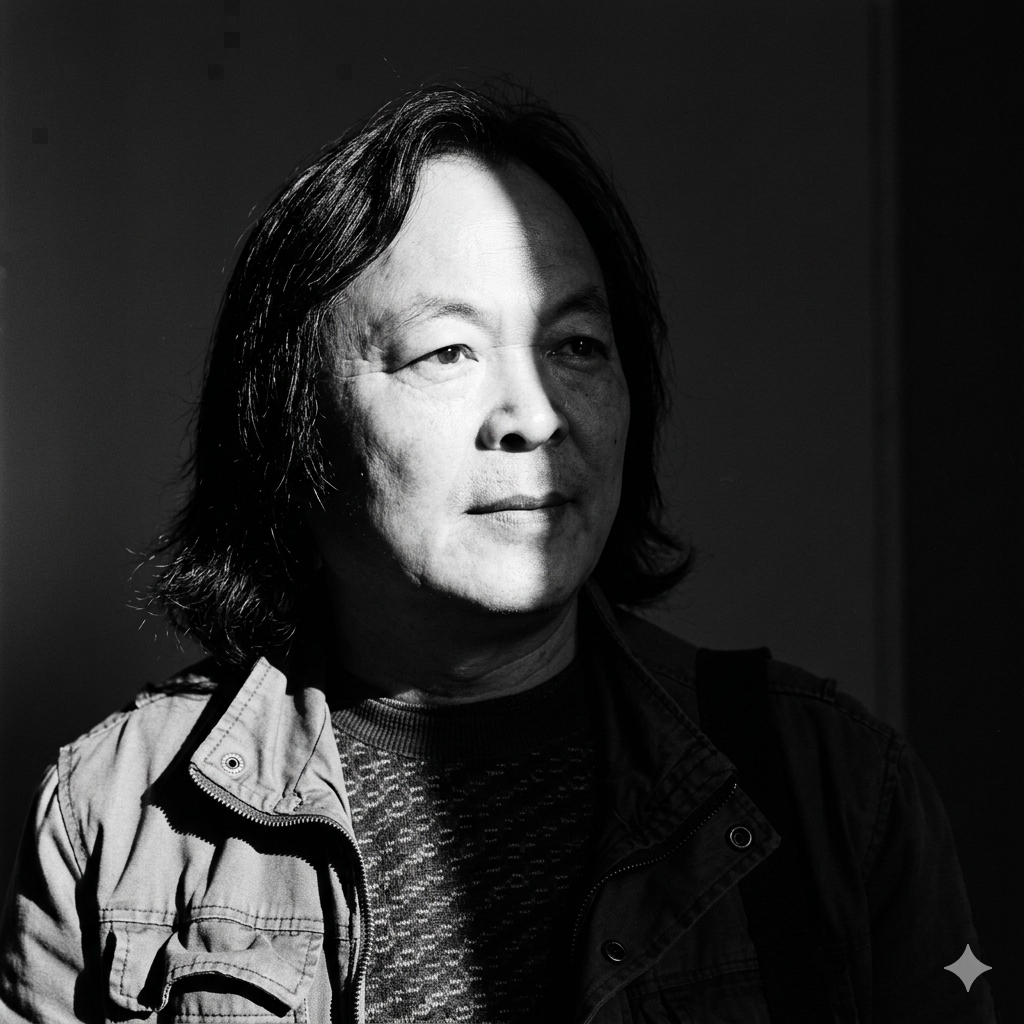
徐公才,中国美术家协会会员,中国油画学会会员,安徽省美术家协会理事,安徽省水彩画学会原副主席,安徽省美术家协会水彩艺委会原副主任,安徽省美术家协会综合材料艺委会原副主任。
Xu Gongcai is a member of the China Artists Association and the China Oil Painting Society. He has served as Director of the Anhui Artists Association, former Vice Chairman of the Anhui Watercolor Society, and former Deputy Director of both the Watercolor Art Committee and the Mixed Media Art Committee of the Anhui Artists Association.
现任安徽艺术职业学院国际学院副院长、教授、国家一级美术师,安徽新华学院艺术学院学科带头人、教授。
He currently serves as Vice Dean of the International College at Anhui Art Vocational College, holding the title of Professor and National First-Class Artist. He is also a Subject Leader and Professor at the School of Art, Anhui Xinhua University.
其美术作品先后入选由中国文化部主办的第六届、第九届、第十一届、第十二届等全国美展多次。多幅作品被全国十余家美术馆收藏。
His works have been selected multiple times for the National Art Exhibition organized by the Ministry of Culture, including the 6th, 9th, 11th, and 12th editions. His paintings are held in the permanent collections of over ten art museums across China.
2013年至2014年,由中国美术家协会公派前往法国巴黎国际艺术城考察学习。
From 2013 to 2014, he was sent by the China Artists Association to the Cité Internationale des Arts in Paris, France, for an artist residency and study programme.
他自幼习画,一生只专注于一件事——走进皖南的山水之间,在户外直接面对自然写生。他从不对着照片作画,每一笔都是在风中、在阳光下、在四季轮转中完成的。退休之后,他依然每天背着画箱走进田野和村落,从未停歇。
He began painting as a young boy and has never stopped. Every single work is painted outdoors, en plein air — never from photographs. Standing before nature in all seasons, under open sky, his brush captures what the eye sees and the heart feels. Even after retirement, he carries his easel into the fields and villages of WanNan every day.
他的生活简朴,心无旁骛。五十余年的光阴,凝聚在每一幅画布之上。
His life is simple, his focus unwavering. Over fifty years of devotion, distilled into every canvas.
50+
Years of Painting年执笔不辍
10+
Museum Collections美术馆收藏
100%
Plein Air户外写生
3rd Anhui Province Small-Format Oil Painting Exhibition · Anhui Artists Association
第三届安徽省小幅油画展 · 安徽省美术家协会
Acquired into the permanent collection of Anhui Provincial Art Museum (120×130cm)
安徽省美术馆永久收藏(120×130cm)
Selected for the 3rd National Small-Format Watercolor Exhibition · China Artists Association
入选第三届全国小幅水彩画展 · 中国美术家协会
Selected for the 2nd National Gouache Exhibition · China Artists Association
入选第二届全国水粉画大展 · 中国美术家协会
"New Era · New Journey" — 1st Anhui Chinese Painting & Oil Painting Academic Exhibition
"新时代·新征程"首届安徽中国画·油画学术大展
6th Anhui Art Grand Exhibition · Anhui Province Department of Culture
第六届安徽美术大展 · 安徽省文化厅
Selected for the 3rd China Pastel Painting Exhibition · China Artists Association
入选第三届中国粉画作品展 · 中国美术家协会
1st National Gouache Exhibition & 5th Anhui Art Grand Exhibition · China Artists Association
入选首届全国水粉画大展 · 第五届安徽美术大展银奖
Selected for the 12th National Art Exhibition & 1st Nanjing International Art Festival
入选第十二届全国美展 · 入围首届南京国际美术展
1st Anhui Pastel Exhibition · Selected for 2nd China Pastel Exhibition · Shenzhen
首届安徽省粉画展优秀奖 · 入选第二届中国粉画展 · 深圳
4th Anhui Art Grand Exhibition · Appointed Professor at Anhui Vocational College of Art
第四届安徽美术大展 · 安徽艺术职业学院教授资格
Selected for 2nd National Small-Format Watercolor Exhibition · Certified National First-Class Artist
入选第二届全国小幅水彩画展 · 获一级美术师资格证书
Selected for the 11th National Art Exhibition · 3rd Anhui Art Grand Exhibition Silver Award · East China Oil Painting Exhibition
入选第十一届全国美展 · 第三届安徽美术大展银奖 · 华东六省一市油画展
2nd Anhui Art Grand Exhibition — Two Bronze Awards · East China Watercolor Invitation Exhibition
第二届安徽美术大展双铜奖 · 华东六省一市水彩画邀请展
Anhui University Teachers Oil Painting Exhibition Gold Award · Selected for 2nd National Scenery Oil Painting Exhibition & 5th National Sports Art Exhibition
安徽省高校教师油画精品展金奖 · 入选第二届风景风情全国油画展 · 入选第五届全国体育美展
Anhui Oil Painting Art Exhibition Silver Award · Selected for 1st National Small-Format Oil Painting Exhibition
安徽省油画艺术展银奖 · 入选首届风景风情全国小幅油画展
7th Anhui Art Festival Silver Award · China's 1st Pastel Exhibition Excellence Award · 2nd Anhui Children's Theme Art Exhibition Bronze Award
第七届安徽省艺术节银奖 · 中国首届粉画展优秀奖 · 第二届安徽省少年儿童题材美术作品展铜奖
Selected for the 3rd China Oil Painting Exhibition · Anhui Selection Excellence Award
入选携手新世纪·第三届中国油画展 · 安徽选拔展优秀奖
National Art Exhibition (60th Anniversary) Excellence Award · Selected for 6th National Watercolor & Pastel Exhibition
纪念延安讲话60周年全国美展优秀奖 · 入选第六届全国水彩粉画展
6th Anhui Province Art Festival · Bronze Award
第六届安徽省艺术节铜奖
Selected for the 9th National Art Exhibition · PRC 50th Anniversary Anhui Art Exhibition Second Prize
入选第九届全国美展 · 庆祝建国50周年安徽省美术作品展览二等奖
Selected for "Humanistic Jiangnan — Our Land, Our People" National Oil Painting Invitation Exhibition · China Artists Association Art Committee
入选"人文江南——吾土吾民"油画邀请展 · 中国美术家协会艺术委员会
Selected for the 6th National Art Exhibition · Guangzhou — his earliest national-level work
入选第六届全国美展 · 展地:广州 — 最早期全国级参展作品
Whether you're interested in an original painting or a commissioned work, we'd love to hear from you.
如果您对原作感兴趣,或希望委托定制作品,欢迎与我们联系。